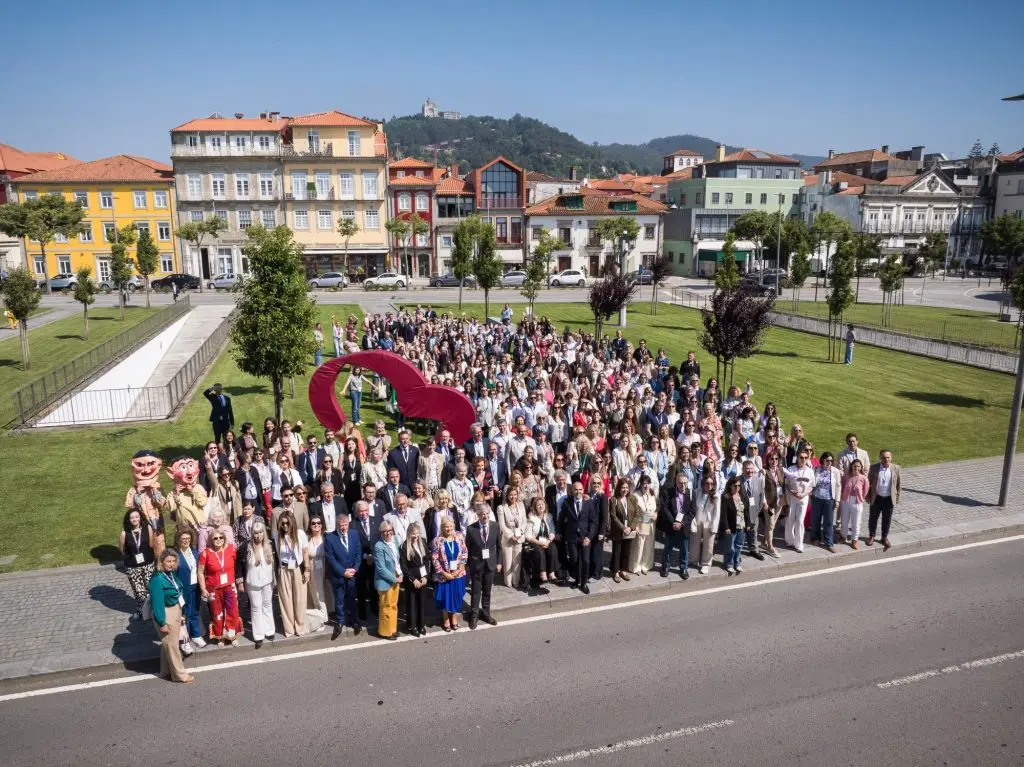
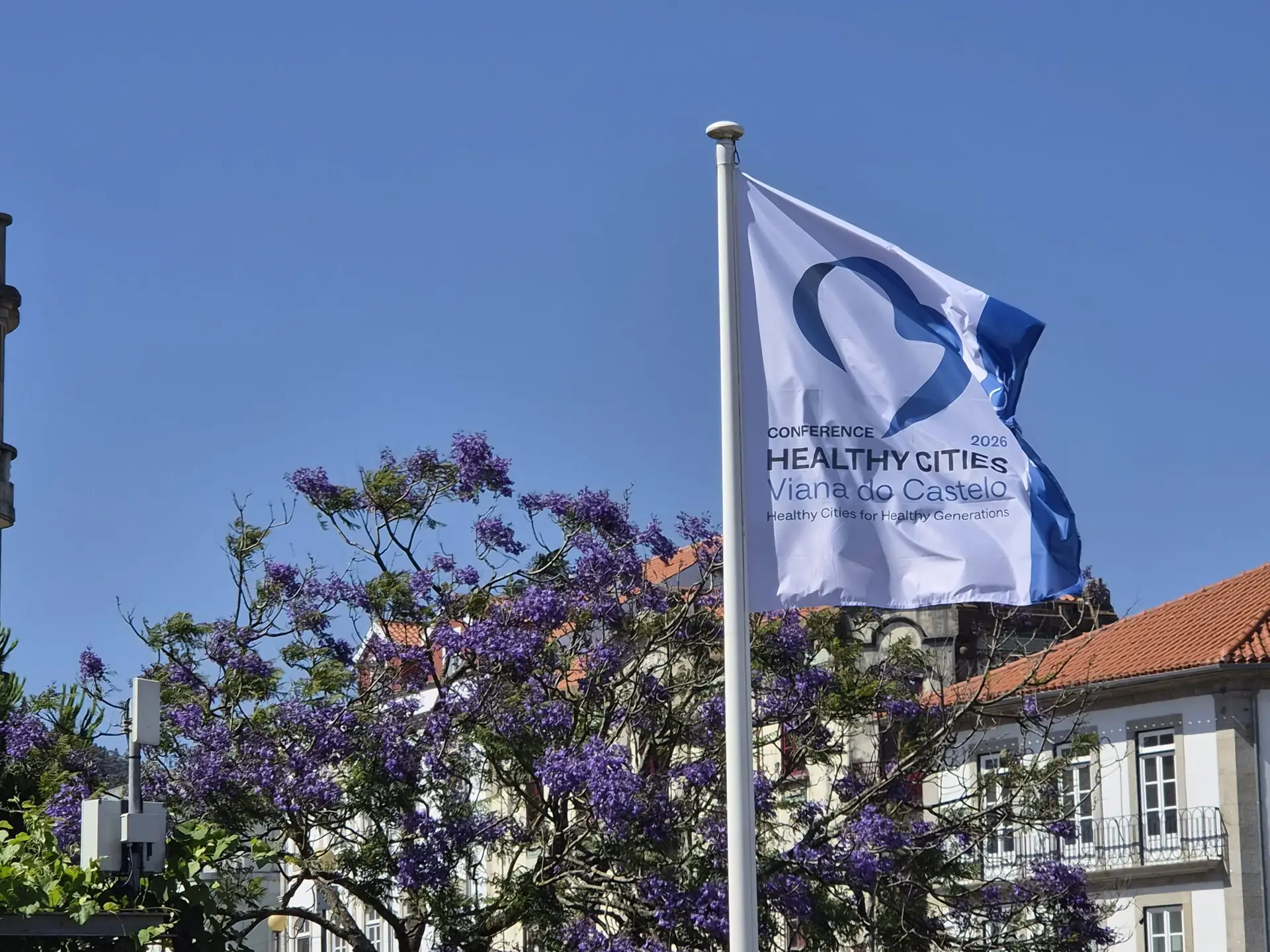
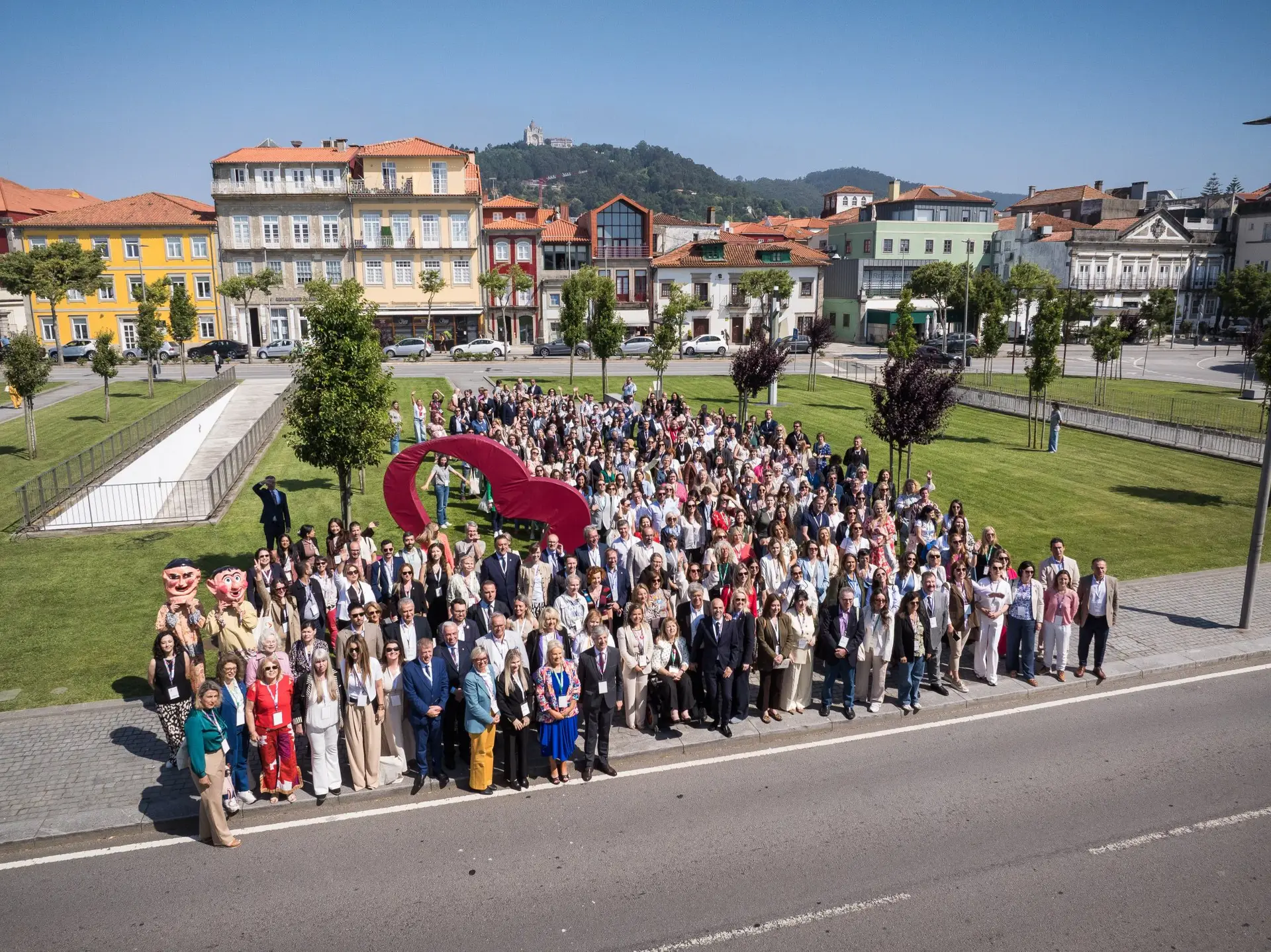
In June 2026 I was fortunate to join the Belfast Healthy Cities delegation in Portugal for the Annual Business Meeting and Technical Conference of the European Healthy Cities Network. This year’s event was especially important, as it launched Phase VIII of the WHO Healthy Cities Programme, while also celebrated the 40th anniversary of the Ottawa Charter for Health Promotion. The Business Meeting enables the network’s member cities to meet in person as they progress joint initiatives, while the Technical Conference enables learning to be shared between members, invited speakers and the host city.
Bringing together more than 500 delegates from almost every country in Europe is no mean feat. Yet the northern Portuguese city of Viana do Castelo, with the same population as Derry / Londonderry, pulled it off seamlessly. The event was based amidst the sleek modernity of Viana’s Cultural Centre, while also hosted at multiple venues along the narrow streets and squares of the medieval city.
Keynote speakers included Professor Keven Fenton with a motivational update on the progress being made by the Mayor of London to positively impact upon the health of the city’s 9 million citizens. Emeritus Professor Ronald Labont, an Ottawa based veteran of the Healthy Cities movement, offered perspective on today’s global challenges and the need to navigate an increasingly polarised political landscape. A dynamic presentation by Seyi Akiwowo underlined the importance of healthy digital places, while Mara Mintzer shared her experience of participatory design with young people in the US via the “Growing Up Boulder” Initiative.
The main body of the event comprised a mere 80 workshops and breakout sessions running simultaneously across the city, leaving delegates with the tricky task of taking their pick and finding their way. As the sessions were themed around the 7 P’s of Phase VIII programme*, I inevitably found myself drawn to theme of ‘Place’. There a Portuguese spatial study of teenage loneliness certainly opened my eyes to an issue I didn’t know enough about, while a case study from the Netherlands demonstrated how they work proactively to create a community begins through projects in advance of new build housing. The health benefits of Barcelona’s famous superblocks were also presented, while the use of Viano do Costello’s beaches as ‘Blue Gyms’ for the city’s older population was expertly explained.
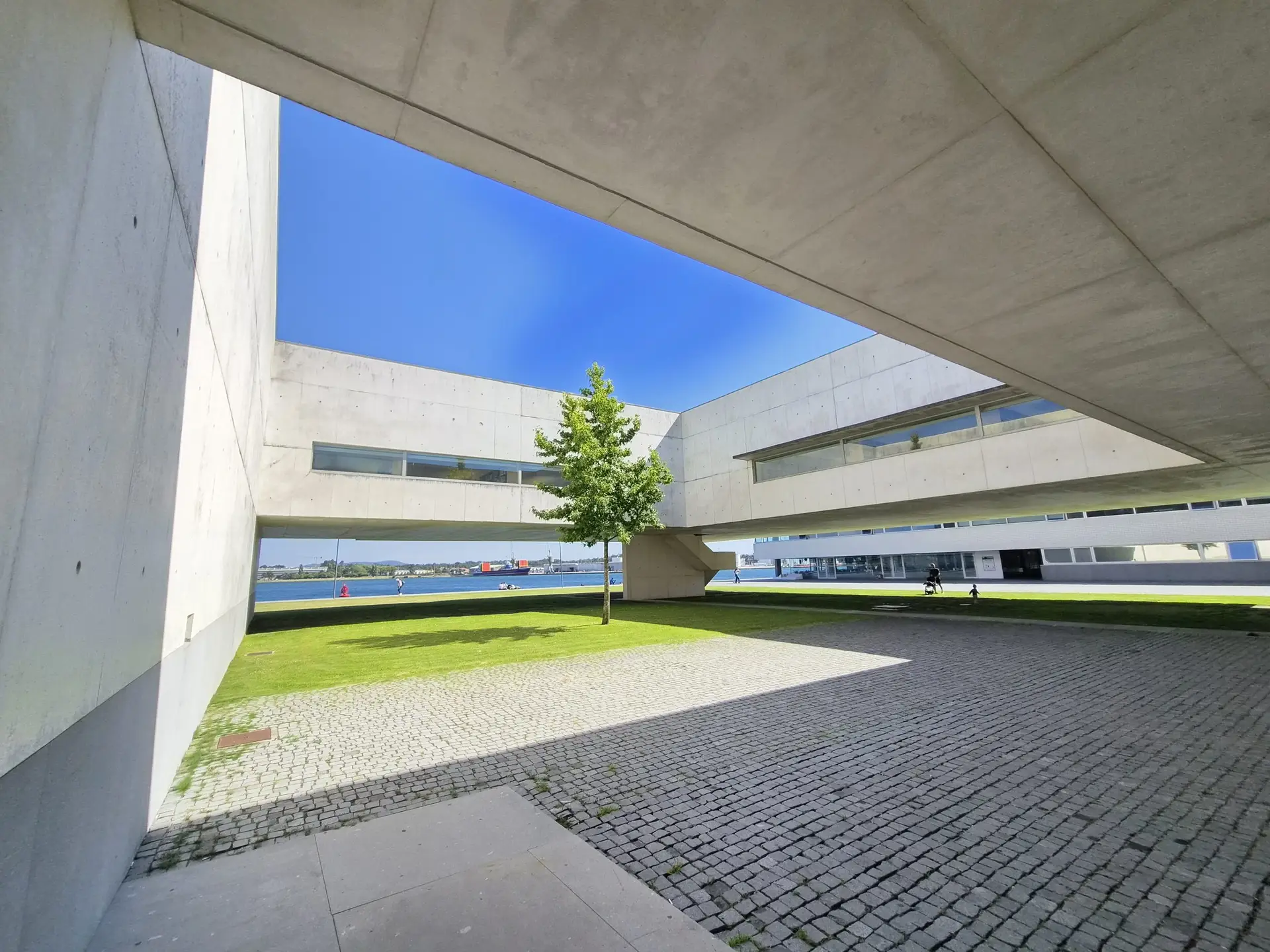
Learning from the city was another valuable opportunity provided by the hosts, with 15 site visits to choose that presented yet another challenge for the undecisive. For me, I was struck by the city’s commitment to design quality along its waterfront. The Cultural Centre is one of three contemporary ‘graces’ along the river, including a fabulous award winning library by the architect Siza Viera, cleverly lifted off the ground to retain views to the waterfront. Indeed, Viana’s 19th century double decker river bridge was designed by no other than Gustave Eiffel, suggesting the city’s early embrace of contemporary design.
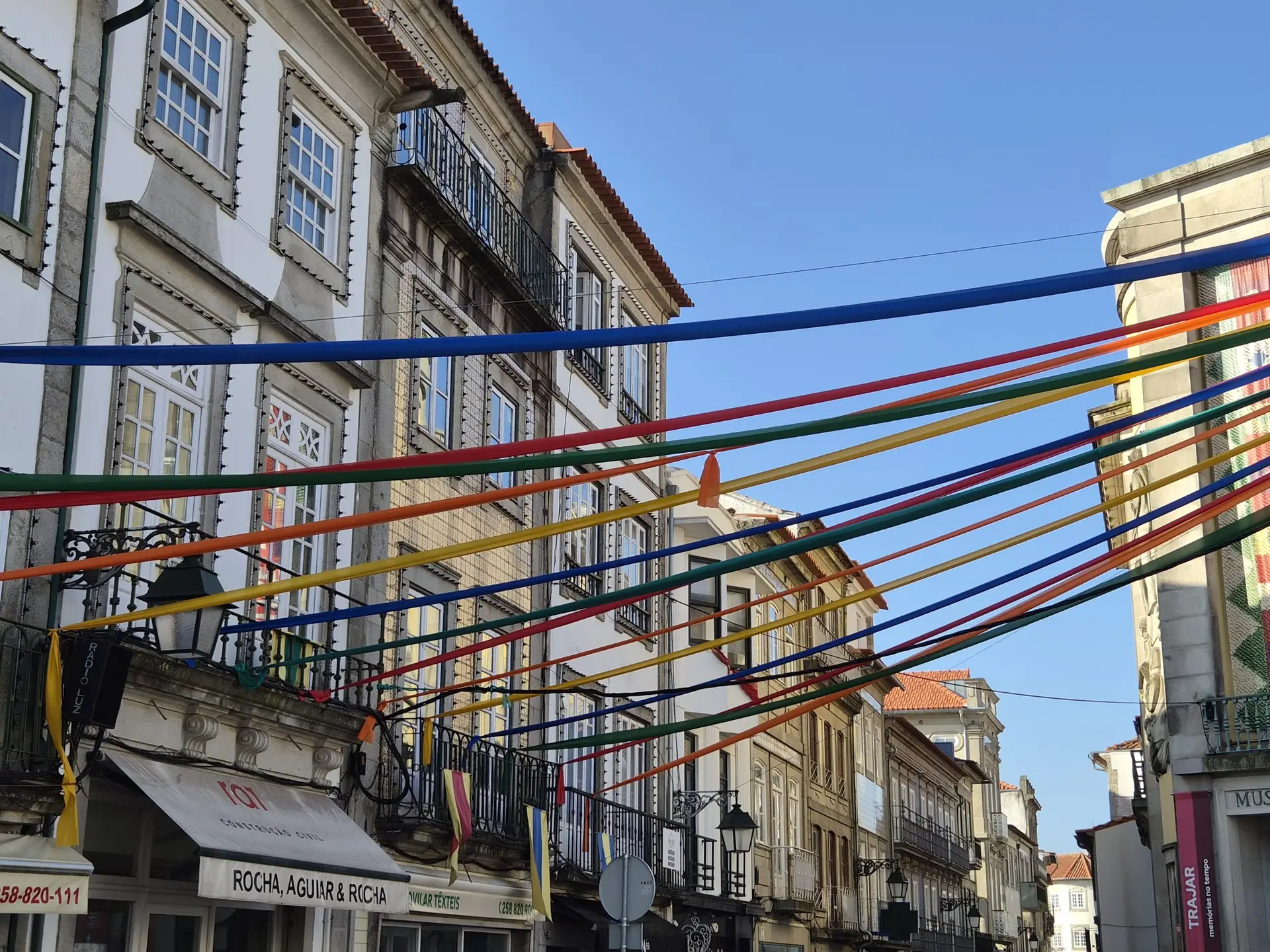
But the medieval heart of Viana do Castello is the jewel in its crown, with a delightful network of narrow streets and squares. As explained on one of the study trips, much work has gone into providing high quality public realm through the historic centre to make is safer and more attractive for pedestrians and residents. Brilliantly however, as with all successful public realm design, it looks like the streets have always been that way. Stone paving and subtle design cues manages cars out of these spaces, while underground carparks are so integrated with the streetscape that you wouldn’t know they were there.
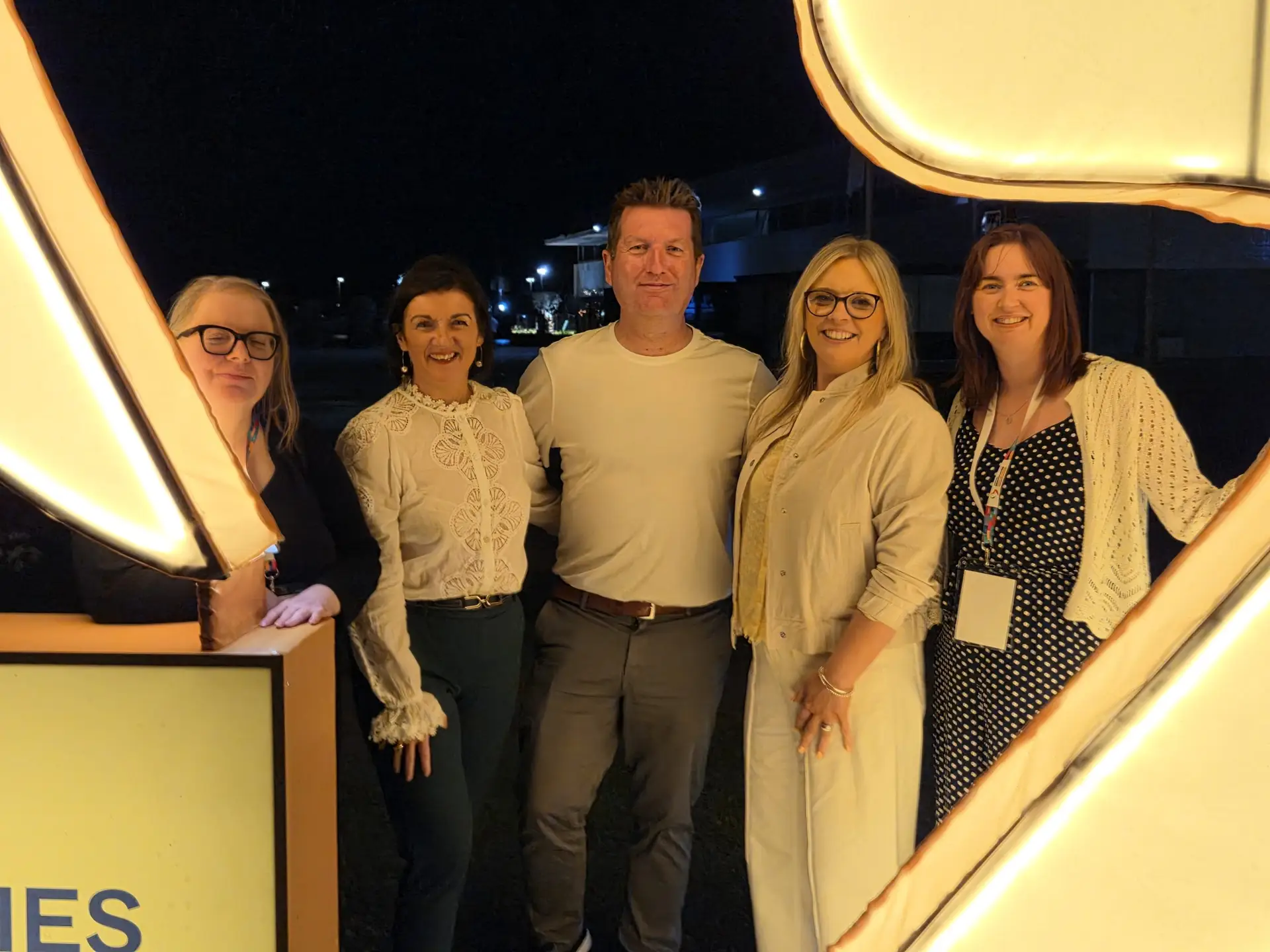
The Annual Business Meeting and Technical Conference was at triumph for Viana do Castelo and the organisers of the WHO European Healthy Cities Network. Yet it was also striking to see what it meant for the City of Belfast. Belfast is highly regarded as one of the founding cities of the Healthy Cities Network and that affection for the city and our Healthy Cities team was in clear evidence during the visit. In testament to their continued hard work, Belfast was officially certified at a ceremony during the event as a designated member of the network for Phase VIII. While that of course means a lot more hard work to come, it also represents a great opportunity to implement many of the lessons learned from the fascinating and enrichening experience of Viana do Costello. Thank you to everyone behind this year’s event and congratulations again to everyone on the Belfast Healthy Cities team.
* Seven P’s of the Healthy Cities programme – People, Place, Planet, Participation, Prosperity, Peace and Prepare