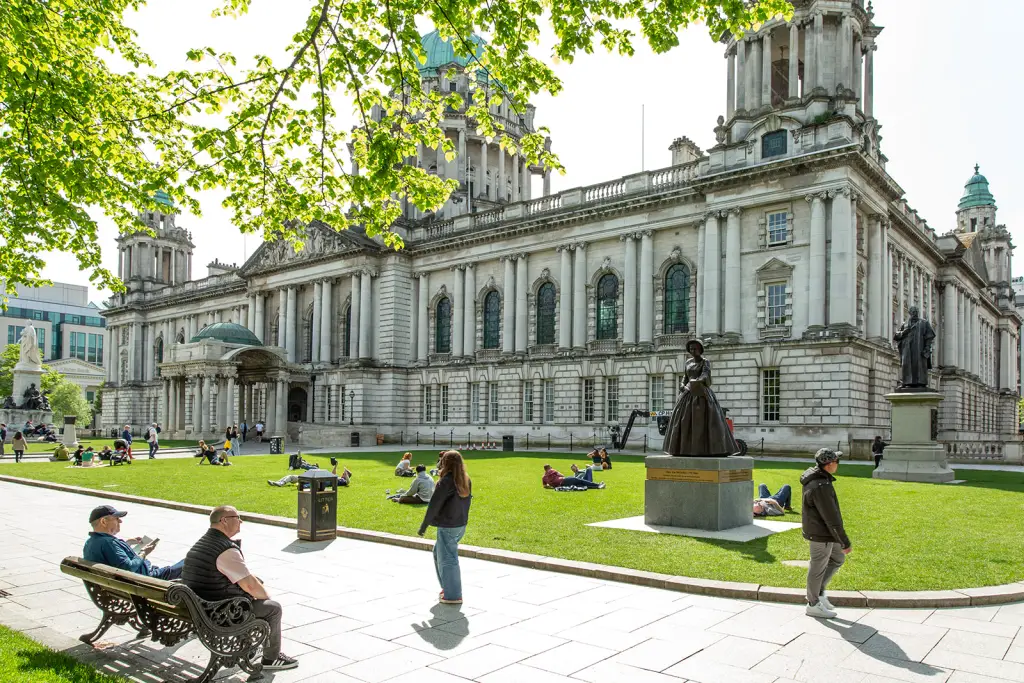
When we think about climate action, we often think about ambitious global targets, international agreements and big policy decisions. But what does climate action actually look like in the places where we live, work and study?
It might mean having a safe, green space to enjoy during a lunch break. Knowing where to find a local community facility. Discovering a walking route you didn’t know existed. Or simply feeling more connected to the green spaces around you.
As world leaders meet at COP31, the World Health Organization is highlighting a simple but powerful message: climate action is health action.
And while global commitments matter, so too does what happens in our cities, on our streets, in our neighbourhoods and within our communities.
Looking at familiar places differently
At Belfast Healthy Cities, much of our work focuses on the relationship between people, place and health. We know that access to green and blue spaces can benefit physical and mental wellbeing, encourage active lifestyles and strengthen connections between people and their communities.
But having these spaces nearby doesn’t necessarily mean people know about them, feel connected to them or make use of them.
This was one of the starting points for our most recent Green Health Maps initiative, developed in partnership with Ulster University.
We began with the people who use the university’s Belfast campus every day – students, academics and other staff – and asked them to think about the area around them.
Where do they go during the day? Are they familiar with the green and blue spaces nearby? Do they know where to find local parks, libraries, pharmacies or community facilities? What places do they already use, and what might they be missing?
These might seem like straightforward questions, but they open up important conversations about how people experience their surroundings.
Working together, participants helped identify and map the green spaces, community assets and local services that contribute to health and wellbeing in the area.
The result is about more than producing a map. It’s about helping people discover what’s on their doorstep, encouraging them to explore their surroundings and recognising the value of local knowledge in creating healthier places.
And perhaps most importantly, we started by asking people, rather than making assumptions about what they needed.
Why this matters for climate and health
It’s easy to see the connection between climate change and extreme weather. The relationship between climate action and our everyday surroundings can be less obvious.
Yet greener, more accessible neighbourhoods can support healthier lifestyles, improve wellbeing, encourage walking and help communities become more resilient to a changing climate.
The recent Cork Call to Action on Climate and Health, developed through the WHO European Healthy Cities Summit of Mayors, makes this connection clear.
It challenges political leaders to move beyond climate commitments and focus on the practical changes that make a difference to people’s lives, from greener neighbourhoods and active travel to healthier homes and stronger, more resilient communities. The Call to Action also recognises something we see regularly in our own work: meaningful change depends on collaboration.
Local government, universities, community organisations and residents all have knowledge and experience to contribute. Bringing these perspectives together helps us understand not only what a place has to offer, but how it could work better for the people who use it.
From global ambition to local action
As COP31 continues, there will rightly be considerable attention on international commitments and the scale of action needed to address climate change.
But in Belfast we want to ensure that we can translate that ambition into smaller, practical steps that will help local communities and visitors to the city.
Our work with Ulster University is one example of what happens when we start with people, listen to their experiences and work together to understand the places around us. It’s an approach that reflects the ambitions of the WHO European Healthy Cities Network and its focus on people, place, planet and participation.
For Belfast Healthy Cities, creating healthier and more sustainable places isn’t just about identifying what needs to change. It’s about involving people in that process, building on the assets that already exist and finding opportunities to make our communities healthier and more connected.
Because the journey towards healthier, greener and more resilient cities doesn’t just begin at international events. It begins in our communities, with the people who know and use them every day.